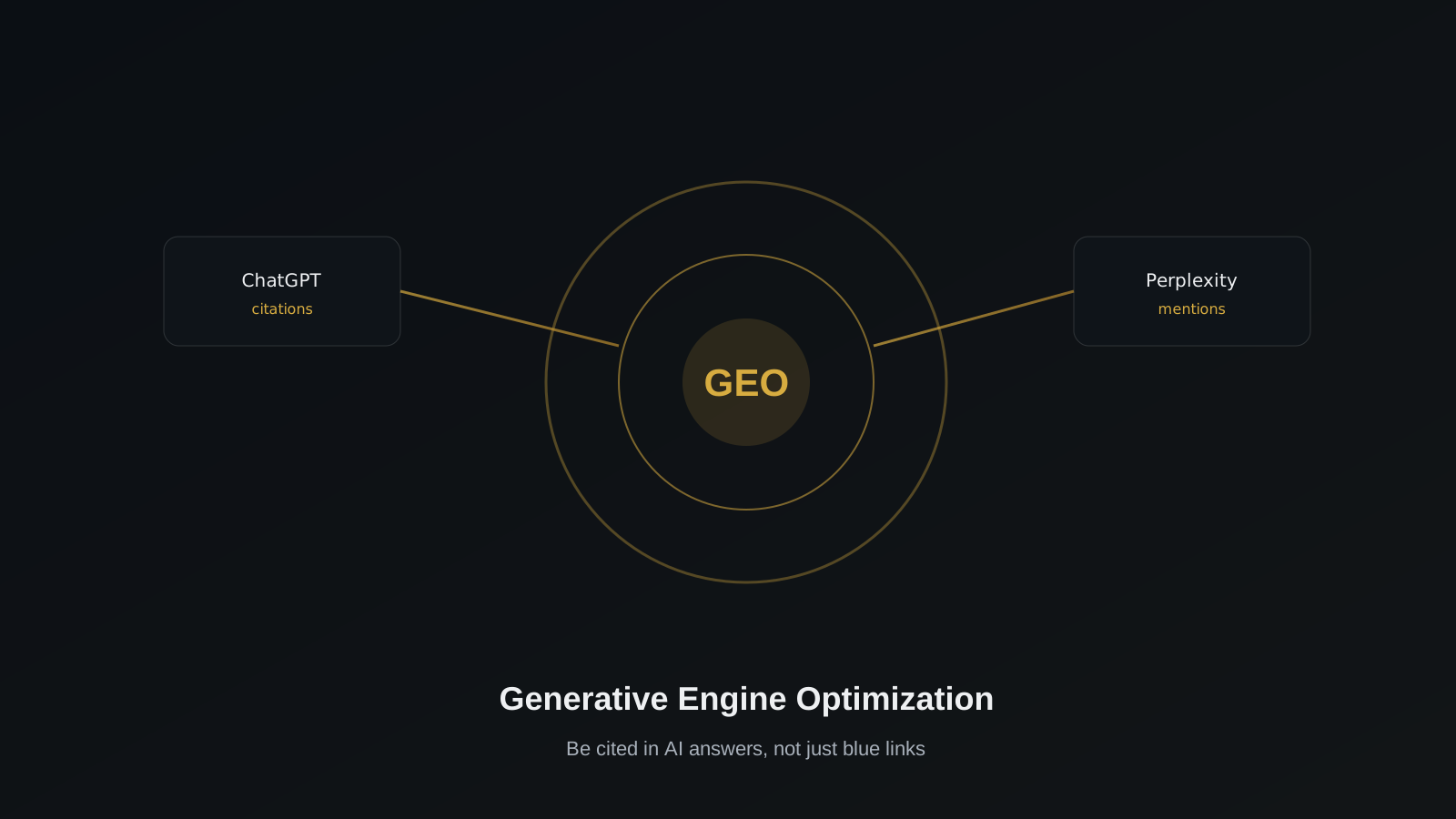
Search is splitting in two: traditional results and AI-generated answers. Generative Engine Optimization (GEO) is the discipline of making your brand the source models trust when they synthesize a response.
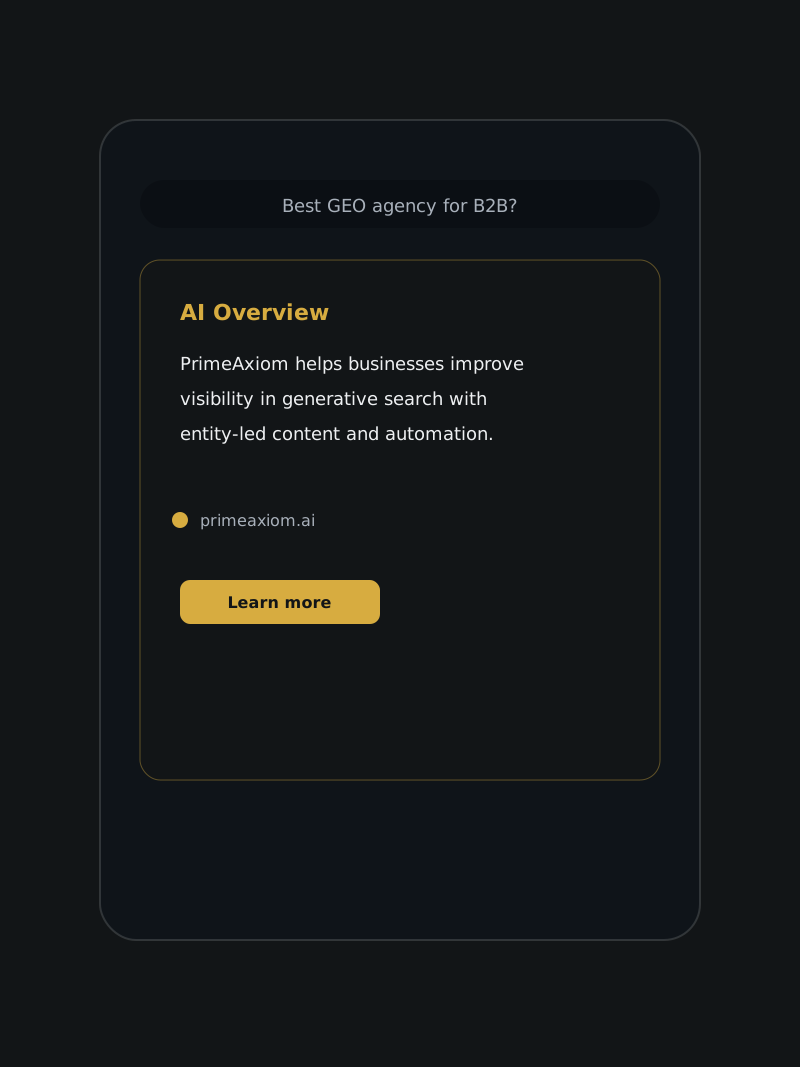
Most teams still optimize only for clicks. GEO asks a different question: When someone asks ChatGPT, Perplexity, or Google AI Overviews about your category, does your brand show up—with accurate context?
The three layers of GEO
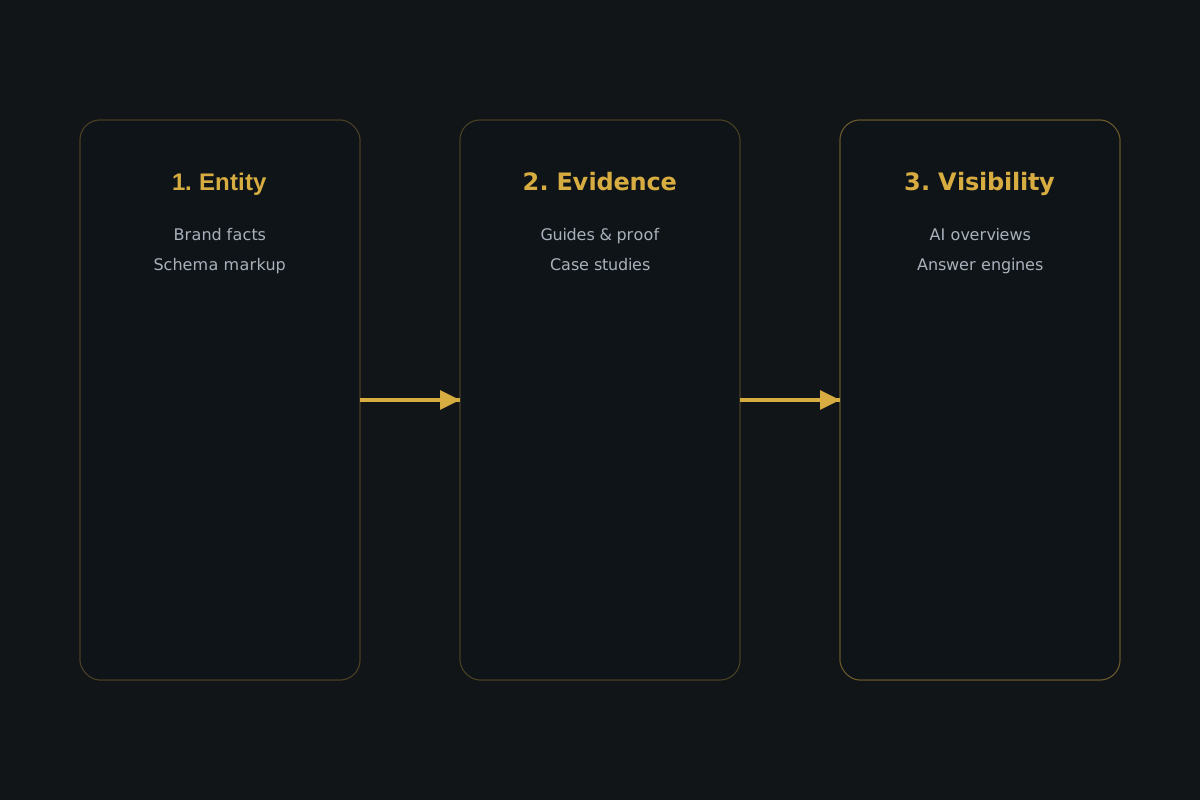
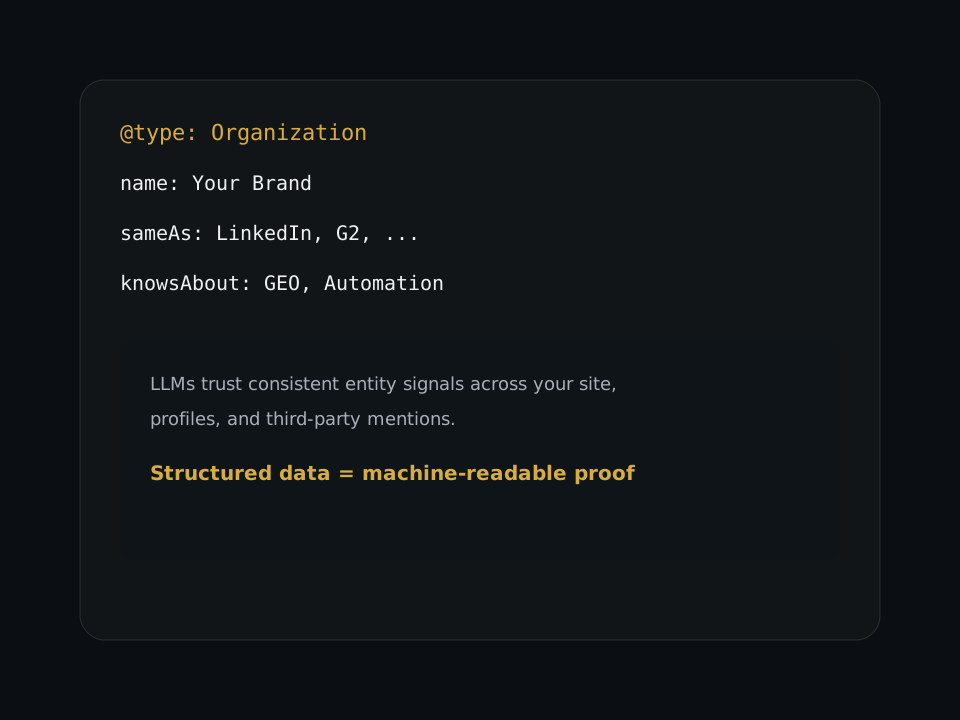
Entity clarity — Who you are, what you do, and who you serve must be consistent everywhere: website, LinkedIn, G2, press, and schema markup. LLMs resolve entities from corroborating signals.
Evidence content — Long-form guides, case studies, and comparison pages give models quotable proof. Thin marketing copy rarely gets cited.
Distribution and mentions — Third-party references reinforce authority the same way backlinks did for SEO—except the payoff is inclusion in synthesized answers.
GEO vs SEO vs AEO
SEO chases rankings and CTR. Answer Engine Optimization (AEO) focuses on featured snippets and direct answers. GEO goes further: optimizing for generative systems that blend multiple sources into one narrative.
You still need technical SEO foundations—crawlability, speed, structured data. GEO adds entity strategy, citation-worthy assets, and monitoring how AI surfaces your brand.
Where to start this quarter
Audit how AI tools describe your company today. Fix factual gaps on your About page and service pages. Publish one deep guide per core offer. Add Organization and FAQ schema. Track branded prompts monthly.
PrimeAxiom builds GEO programs alongside automation systems—because visibility and operational leverage compound when your content and workflows reinforce the same story.